
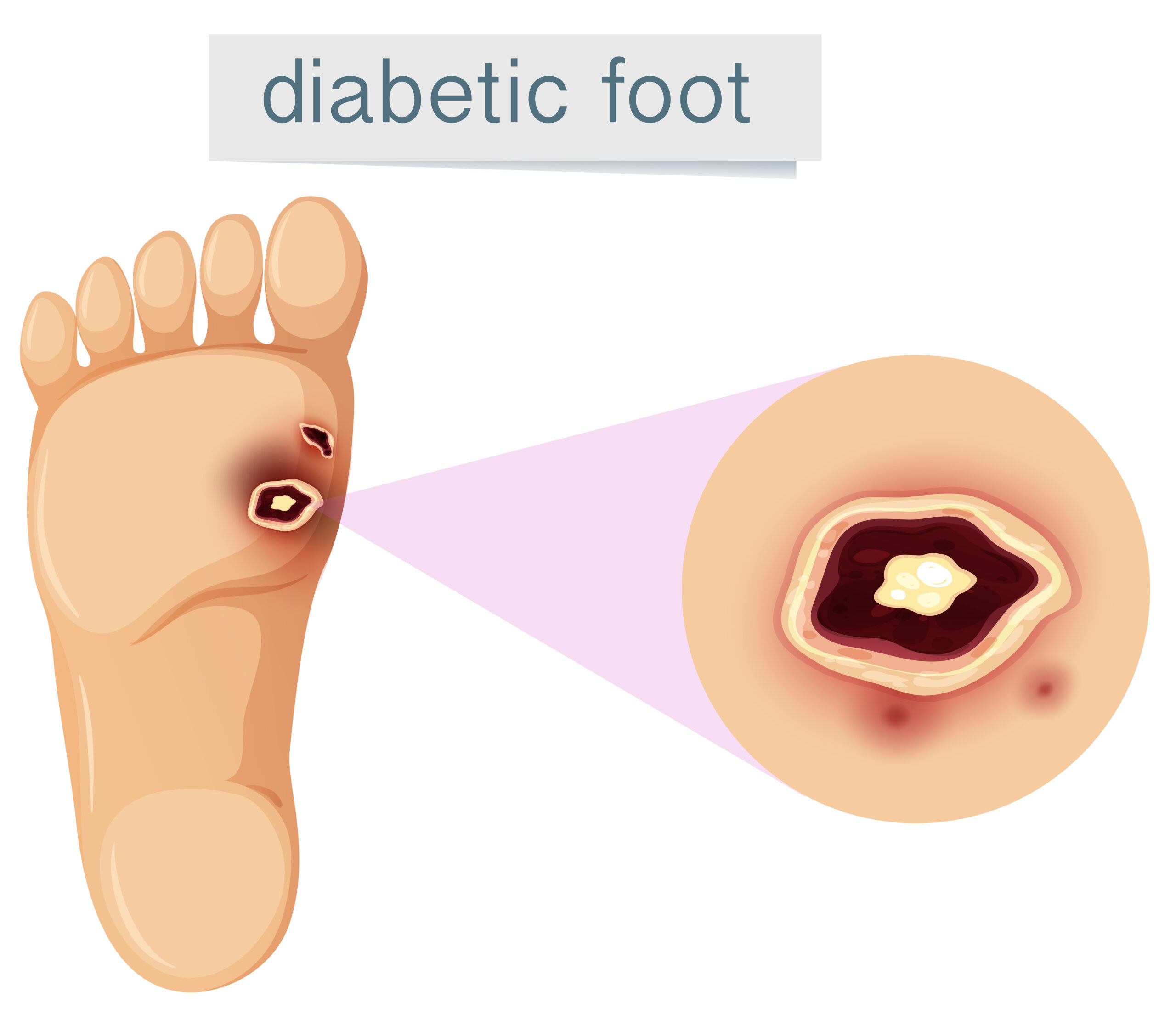
What is Diabetic Foot?
Diabetic Foot is a serious problem that can affect people with diabetes. It happens when high blood sugar damages nerves and blood vessels in the feet. As a result, wounds may heal slowly or not at all. Because of this, even small injuries can become big problems. According to the World Health Organization, many people with diabetes face foot issues during their lives. Early care is very important to prevent complications.
Common Symptoms
Recognizing diabetic foot symptoms early can help prevent serious issues. For example, you may notice changes in your feet. Watch for these signs:
If you see any of these symptoms, seek medical help right away. Early treatment can stop the problem from getting worse.
Main Causes
Several factors can lead to diabetic foot. However, the main causes are:
Because diabetes affects the nerves and blood vessels, the feet are at higher risk. Therefore, regular foot care is very important.
Diagnosis Methods
Doctors use several methods to diagnose diabetic foot problems. First, they will ask about your symptoms and medical history. Next, they will examine your feet closely. Common diagnosis methods include:
Early diagnosis helps prevent serious complications, such as infections or even amputation.
Treatment Options
Treatment for diabetic foot depends on the problem’s severity. However, common options include:
Doctors may also suggest seeing a foot specialist. With proper care, most people recover well.
Prevention Tips
Preventing diabetic foot is possible with daily care. For example, you can follow these simple steps:
Because prevention is easier than treatment, these diabetic foot care tips can help you stay healthy.
Lifestyle Guidance for Patients
Living with diabetes means making healthy choices every day. Therefore, you should:
With these steps, you can lower your risk of diabetic foot problems. Remember, small changes can make a big difference.
In summary, diabetic foot is a serious but preventable condition. Early action and good care are key. Consult a specialist for personalized guidance on diabetic foot care.